Introduction to Virtual Reality
Virtual Reality (VR) has rapidly gained popularity as a transformative technology, primarily known for its role in the gaming industry. However, its applications extend far beyond entertainment, impacting various sectors such as education, healthcare, and social interaction. This article delves into the fun and useful applications of virtual reality beyond gaming.
Educational Applications
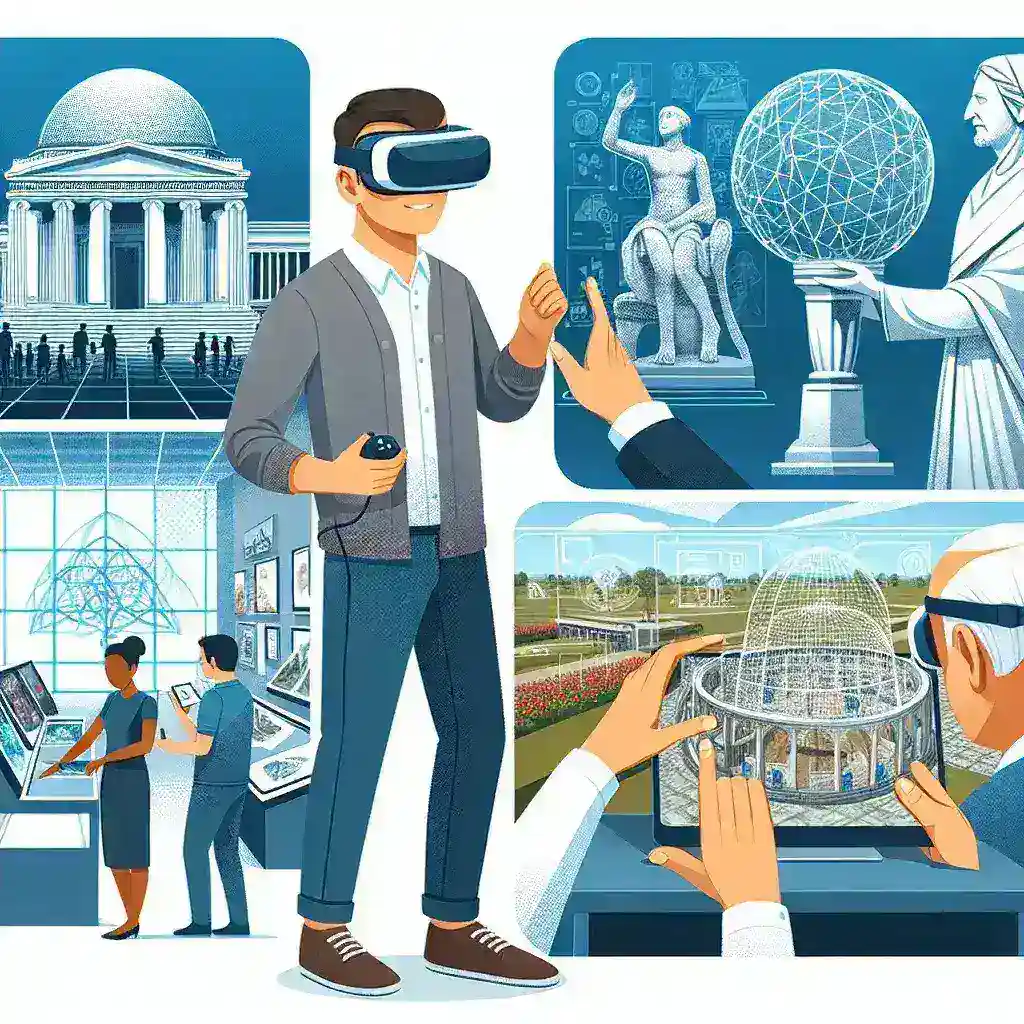
One of the most promising areas of VR is education. It provides immersive learning experiences that can enhance understanding and retention of complex subjects. Here are a few key applications:
- Virtual Field Trips: VR allows students to explore distant locations, historical sites, and even outer space without leaving the classroom.
- Interactive Learning: Subjects like biology, chemistry, and physics can be visualized and manipulated through VR simulations, making learning more engaging.
- Skill Development: VR can provide students with hands-on experiences in safe environments, such as medical simulations for training surgeons.
Healthcare Innovations
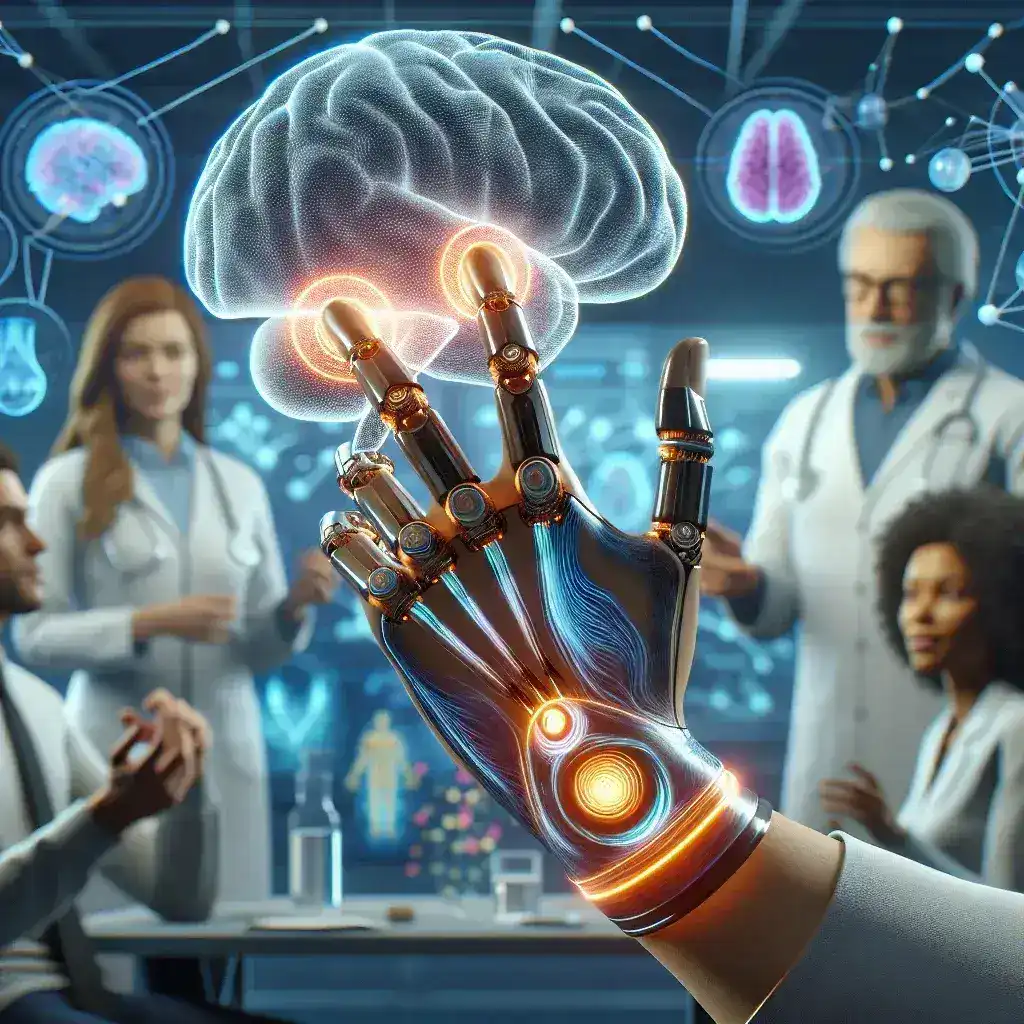
The healthcare industry has also embraced virtual reality, utilizing it for various purposes:
- Therapeutic Applications: VR therapy is being used to treat conditions such as PTSD, anxiety, and phobias, allowing patients to confront their fears in controlled environments.
- Surgical Training: Medical professionals can practice complex surgical procedures in a risk-free VR setting, improving their skills before performing on real patients.
- Pain Management: Immersive VR experiences can distract patients during painful procedures, significantly reducing their pain perception.
Social Interaction and Virtual Communities
Virtual reality has transformed social interactions by allowing individuals to connect in shared virtual spaces:
- Virtual Meetups: People from all over the world can gather in virtual environments for meetings, social events, or casual hangouts.
- Gaming Communities: While gaming is a significant aspect of VR, many platforms enable players to socialize and build friendships, creating a sense of community.
- Support Groups: Online support groups in VR provide a safe space for individuals to share experiences and seek guidance from others facing similar challenges.
Architectural Visualization and Design
In architecture and design, VR offers innovative solutions for visualizing projects:
- 3D Walkthroughs: Clients can experience buildings and interiors before construction begins, allowing for better feedback and alterations.
- Design Collaboration: Architects can collaborate in real-time through VR platforms, streamlining the design process and enhancing creativity.
Conclusion
Virtual reality is rapidly evolving beyond gaming, offering fun and practical applications across various fields. As technology advances, we can expect even more innovative uses for VR, further enriching our lives in education, healthcare, social interactions, and design. Embracing these advancements will not only enhance user experiences but also foster a greater understanding and appreciation of this remarkable technology.