
Introduction
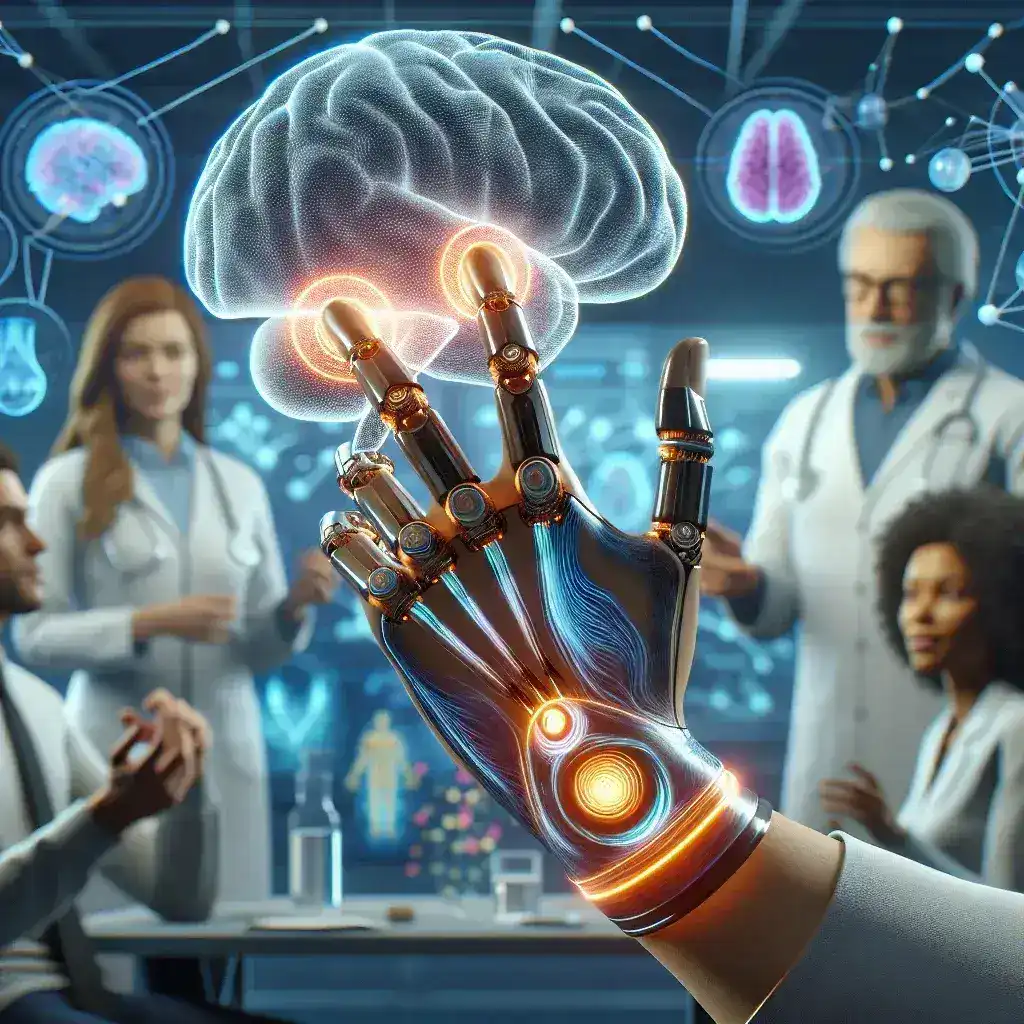
In recent years, significant advancements in technology have led to the development of AI enhanced prosthetics, which not only improve functionality but also provide users with haptic feedback through brain interfaces. This remarkable integration of artificial intelligence and neuroscience is revolutionizing the field of prosthetics, creating a more seamless connection between the user and their artificial limbs.
The Evolution of Prosthetics
Historically, prosthetics have evolved from simple wooden limbs to complex mechanical devices. Early prosthetic limbs were primarily functional but lacked the ability to provide sensory feedback. With the emergence of modern technology, researchers began to explore ways to enhance prosthetic devices with sensory capabilities.
The Role of Haptic Feedback
Haptic feedback refers to the use of tactile sensations to communicate information to the user. In the context of prosthetics, this feedback allows users to ‘feel’ the environment, making it easier to manipulate objects and perform everyday tasks. With the integration of AI, prosthetics can now interpret sensory data and respond accordingly, enhancing the user experience.
Understanding Brain Interfaces
Brain-computer interfaces (BCIs) are a key component in the development of AI enhanced prosthetics. These interfaces allow direct communication between the brain and the prosthetic device, enabling users to control their limbs with thoughts. BCIs have evolved significantly, utilizing electrodes implanted in the brain or non-invasive methods such as EEG to capture neural signals.
How Haptic Feedback Works
Haptic feedback in AI prosthetics involves a sophisticated system where sensors in the prosthetic limb detect pressure, texture, and temperature. This data is then processed by AI algorithms, which simulate the sensory experience, sending signals back to the brain via the BCI. The result is a user experience that closely resembles natural limb function.
The Benefits of AI Enhanced Prosthetics with Haptic Feedback
- Improved Dexterity: Users can perform more complex tasks with enhanced precision.
- Increased User Satisfaction: The feeling of touch helps users feel more connected to their prosthetic, improving mental well-being.
- Better Adaptation: AI algorithms learn from user interactions, adapting to improve the functionality based on individual needs.
Challenges and Considerations
Despite the promising advancements, several challenges remain in the integration of haptic feedback in prosthetics. These include:
- Technical Limitations: The technology to accurately replicate the sensation of touch is still in development.
- Cost: High-quality prosthetics with AI and haptic feedback are often cost-prohibitive, limiting access for many users.
- Ethical Concerns: The use of BCIs raises questions regarding privacy, consent, and the long-term effects of interfacing directly with the brain.
Future Predictions for AI Enhanced Prosthetics
As technology continues to advance, the future of AI enhanced prosthetics appears promising. Experts predict:
- Greater Accessibility: As manufacturing techniques improve, the cost of these advanced prosthetics is likely to decrease, making them available to a broader audience.
- Enhanced Sensory Feedback: Future prosthetics may incorporate a wider range of sensory feedback, including the ability to feel vibrations and different textures.
- Integration with Other Technologies: The combination of AI, machine learning, and other emerging technologies will lead to even more sophisticated prosthetic devices.
Real-Life Examples
There are already several inspiring stories of individuals benefiting from AI enhanced prosthetics:
Case Study: The DEKA Arm
The DEKA Arm, developed by Dean Kamen, utilizes advanced sensors and AI algorithms to provide users with a high degree of control. Users can lift, grip, and even perform delicate tasks with the arm, thanks to the integration of haptic feedback that mimics natural sensations.
Case Study: The BrainGate System
This pioneering system allows individuals with paralysis to control prosthetic devices using their thoughts. With the addition of haptic feedback, users can ‘feel’ the objects they interact with, significantly enhancing their ability to perform tasks independently.
Cultural Relevance
The development of AI enhanced prosthetics resonates deeply within both the medical community and broader society. As technology continues to blur the lines between human and machine, discussions surrounding ethics, identity, and the future of human augmentation are becoming increasingly relevant.
Conclusion
AI enhanced prosthetics providing haptic feedback through brain interfaces represent a significant leap forward in the field of prosthetics. By bridging the gap between technology and human experience, these innovations are not only transforming the lives of individuals with limb loss but also challenging our understanding of what it means to be human. As we look toward the future, ongoing research and development will undoubtedly lead to even more groundbreaking advancements, further enhancing the quality of life for countless individuals around the world.