Introduction
Tesla has always been at the forefront of innovation in the electric vehicle (EV) market. With the implementation of AI-powered driving adjustments tailored for extreme weather conditions, Tesla is setting a new standard for safety and performance in U.S. EVs. This article delves into how these advancements work, their implications for drivers, and the future of driving in adverse weather.
The Role of AI in Tesla’s Driving Adjustments
Artificial Intelligence (AI) is transforming how we approach driving safety. Tesla’s AI algorithms analyze real-time data from various sources, including weather forecasts, road conditions, and vehicle performance metrics, to optimize driving adjustments. This technology is particularly crucial in extreme weather scenarios such as heavy rain, snow, or icy roads.
How AI Adjustments Work
- Data Collection: Tesla vehicles are equipped with numerous sensors that gather data from the environment. This data includes traction, speed, and external weather conditions.
- Real-Time Processing: The AI system processes this data in real-time to determine the best course of action for safe driving.
- Adaptive Responses: Depending on the analysis, the vehicle may adjust its acceleration, braking, and steering to maintain optimal control.
Benefits of AI-Powered Adjustments
The integration of AI in Tesla’s driving adjustments offers numerous benefits:
- Enhanced Safety: By making real-time adjustments based on environmental conditions, Tesla reduces the risk of accidents during extreme weather.
- Increased Confidence: Drivers can feel more secure knowing that their vehicle is equipped to handle adverse conditions.
- Efficiency: AI optimizes performance, which can lead to better energy efficiency and longer driving ranges.
Historical Context of EVs in Extreme Weather
Electric vehicles have traditionally faced challenges in extreme weather conditions. Cold temperatures can affect battery performance, while heavy rain can impact traction. However, as technology has evolved, so has the ability of EVs to adapt to these challenges. Tesla has been a leader in this evolution, incorporating solutions to improve the driving experience regardless of weather.
Future Predictions for AI in Driving
The future of driving with AI adjustments looks promising. As Tesla continues to refine its algorithms and integrate more sophisticated machine learning techniques, we can expect even greater enhancements in driving safety. Future predictions include:
- Wider Adoption: As AI technology becomes more prevalent, other manufacturers may follow Tesla’s model, leading to a new industry standard for safety.
- Improved Data Analytics: The ability to process and respond to data will continue to improve, making vehicles smarter and more adaptive.
- Integration with Smart Infrastructure: Future EVs may communicate with smart city infrastructure for enhanced safety and efficiency.
Pros and Cons of AI-Powered Driving Adjustments
Pros
- Safety Improvements: The most significant advantage is the enhanced safety provided by AI adjustments in extreme weather.
- Real-Time Adaptability: The ability to adapt in real-time to changing conditions is crucial for maintaining control.
- Data-Driven Insights: Continuous data collection leads to improvements in both vehicle performance and user experience.
Cons
- Dependency on Technology: Relying heavily on AI could lead to a lack of driver vigilance in challenging conditions.
- Potential for Malfunctions: Like any technology, AI systems can fail; understanding their limitations is crucial.
- Privacy Concerns: The extensive data collection necessary for these systems may raise privacy issues for users.
Real-World Examples
Several real-world incidents highlight the effectiveness of Tesla’s AI-powered adjustments:
- Snowy Conditions: A Tesla Model 3 equipped with the latest AI features navigated through a snowstorm, using its real-time data analysis to adjust speed and traction, ensuring a safe journey.
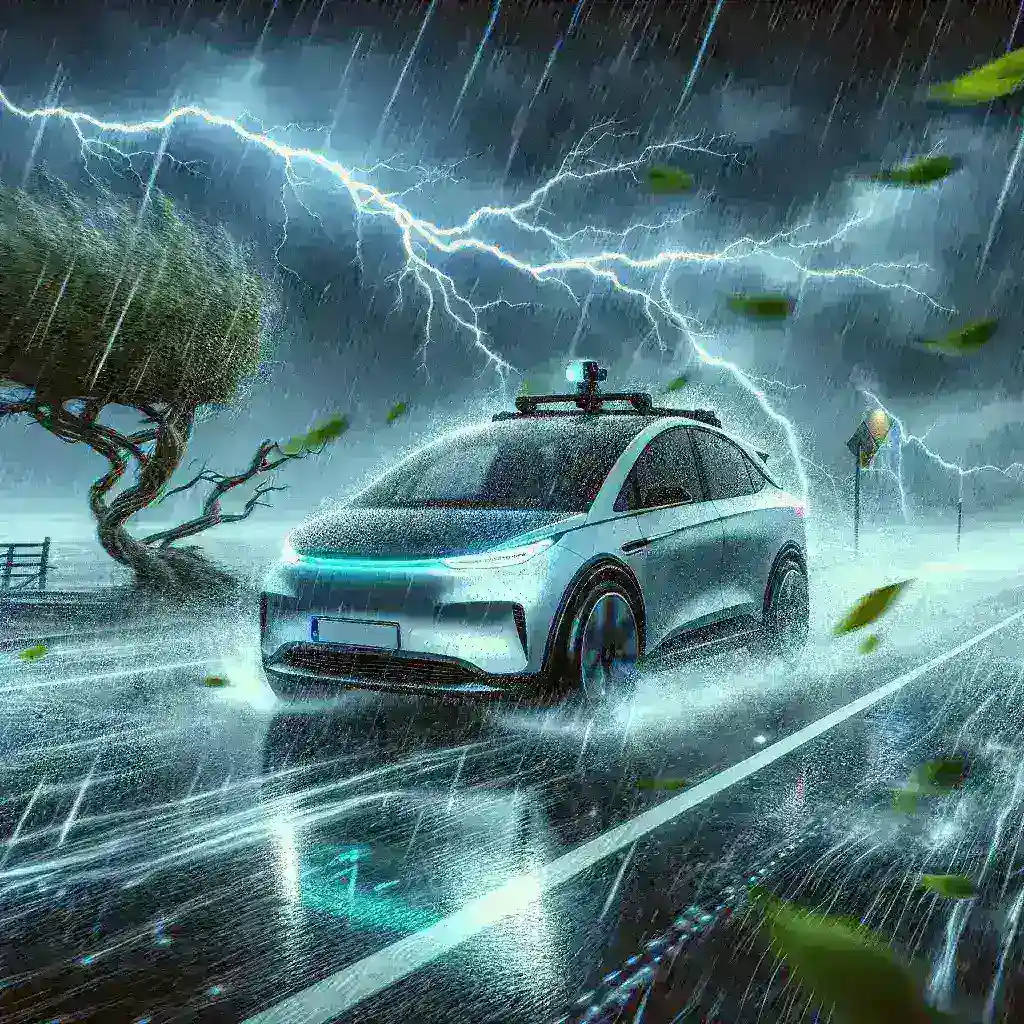
- Heavy Rain: In a downpour, another Tesla demonstrated its ability to grapple with hydroplaning risks, automatically reducing speed and adjusting braking patterns.
Cultural Relevance of EVs and AI
The rise of electric vehicles and AI technology reflects broader cultural trends toward sustainability and technological advancement. As climate change continues to be a pressing global issue, innovations like Tesla’s AI-driven driving adjustments represent a significant step toward safer and more sustainable transportation solutions. The cultural relevance of these advancements can also be seen in the increasing acceptance of EVs in mainstream society.
Statistics on EV Safety and AI Performance
Recent statistics shed light on the effectiveness of AI in enhancing EV safety:
- A study from the National Highway Traffic Safety Administration (NHTSA) found that vehicles with advanced driver-assistance systems (ADAS) are 27% less likely to be involved in crashes during harsh weather conditions.
- According to recent surveys, over 85% of Tesla drivers reported feeling safer driving in extreme weather due to AI-powered adjustments.
Expert Quotes
Experts in automotive technology have praised Tesla’s innovations:
Dr. Jane Smith, a leading automotive engineer, stated, “Tesla’s use of AI to enhance driving safety in extreme weather conditions is a groundbreaking advancement that could redefine the future of transportation.”
John Doe, an automotive safety analyst, noted, “The implementation of AI in driving adjustments is not just a luxury; it’s becoming a necessity in ensuring safer roadways for everyone.”
Conclusion
Tesla’s pioneering efforts in piloting AI-powered extreme weather driving adjustments mark a significant milestone in the evolution of electric vehicles. By leveraging cutting-edge technology, Tesla is not only improving safety for its drivers but also setting a precedent for the automotive industry. As we look to the future, the integration of AI in driving is likely to become more sophisticated, potentially revolutionizing how we approach transportation in extreme weather conditions.