
Introduction
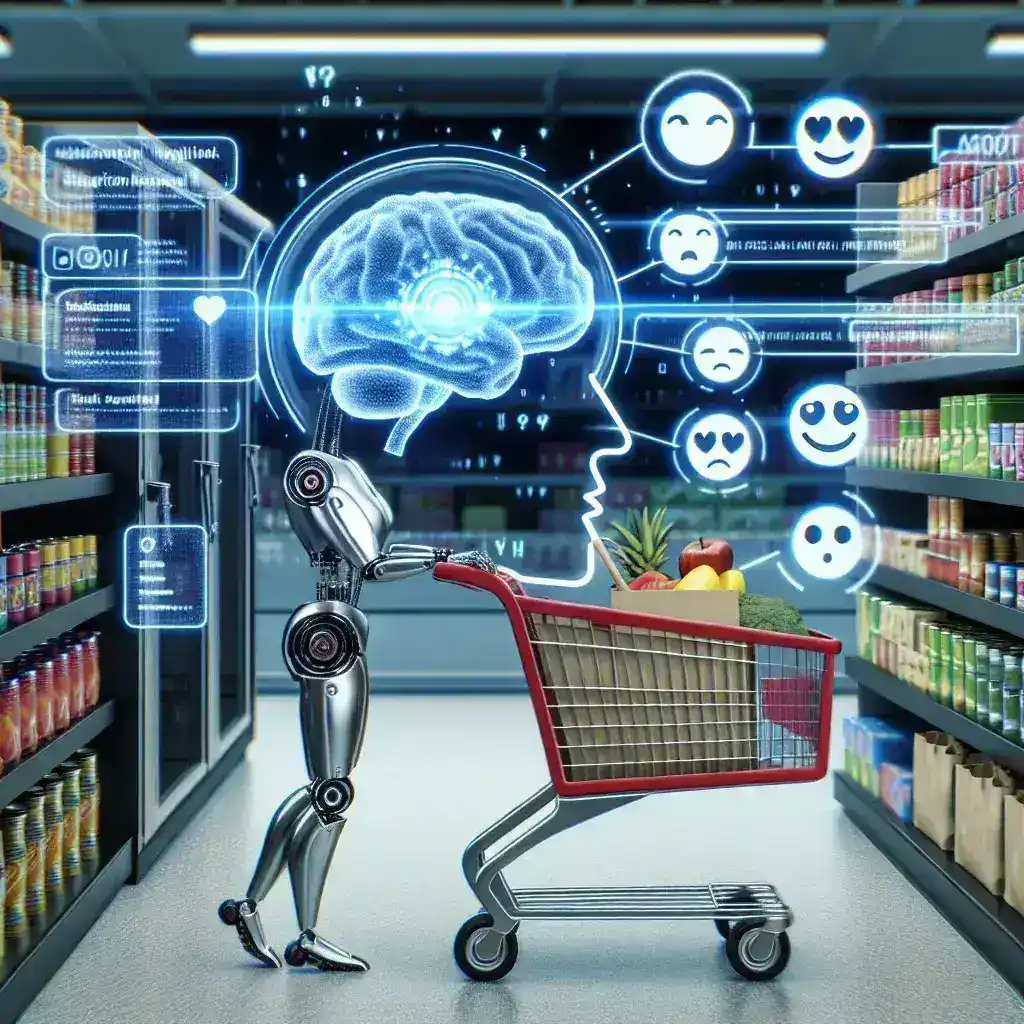
In a rapidly evolving retail landscape, understanding customer sentiment is more crucial than ever. With the infusion of artificial intelligence (AI) into business strategies, Salesforce has taken a significant step forward by launching its AI customer sentiment analysis tool specifically tailored for U.S. retailers. This cutting-edge technology aims to provide deep insights into consumer emotions, enabling retailers to enhance their customer experience and drive sales effectively.
What is Customer Sentiment Analysis?
Customer sentiment analysis is the process of using AI and natural language processing (NLP) to interpret customers’ feelings, opinions, and attitudes towards brands, products, or services. By analyzing data from various sources such as social media posts, reviews, and customer feedback, businesses can gain a comprehensive understanding of how their customers feel, allowing them to tailor their offerings accordingly.
The Role of AI in Sentiment Analysis
AI plays a pivotal role in sentiment analysis by automating the process of data collection and interpretation. Traditional methods of analyzing customer feedback can be time-consuming and prone to human error. In contrast, AI algorithms can process vast amounts of data at lightning speed, identifying patterns and sentiments without the biases that human analysts may introduce. This efficiency not only saves time but also enhances the accuracy of insights gained.
Salesforce’s AI Customer Sentiment Analysis Tool
Salesforce’s new sentiment analysis tool is designed to empower retailers with actionable insights. Here’s an overview of its key features:
- Real-time Analysis: The tool provides real-time sentiment analysis, allowing retailers to respond promptly to customer feedback.
- Multi-channel Integration: It aggregates data from various platforms, including social media, email, and customer service interactions, for a holistic view of customer sentiment.
- Customizable Dashboards: Retailers can customize dashboards to track key metrics that matter most to their business.
- Predictive Insights: The tool offers predictive analytics, helping retailers anticipate customer behavior and trends.
Benefits for U.S. Retailers
The introduction of Salesforce’s AI customer sentiment analysis tool brings numerous benefits to U.S. retailers:
- Enhanced Customer Experience: By understanding customer emotions, retailers can tailor their marketing strategies and customer service efforts to better meet consumer needs.
- Increased Sales: Insights derived from sentiment analysis can inform product development and promotional strategies, ultimately driving sales.
- Brand Loyalty: When retailers respond to customer sentiment effectively, it fosters loyalty and strengthens brand reputation.
Historical Context of AI in Retail
The integration of AI in retail is not a novel concept; however, its applications have evolved significantly over the years. Initially, AI was primarily used for inventory management and sales forecasting. However, as consumer behavior became more complex, the need for understanding customer sentiment became apparent. The advent of social media and online reviews highlighted the importance of sentiment analysis, leading to the development of sophisticated tools that can analyze vast datasets.
Future Predictions
As AI technology continues to advance, the future of sentiment analysis in retail looks promising. Experts predict that:
- Greater Personalization: Retailers will increasingly leverage sentiment analysis to create personalized shopping experiences.
- Integration with Augmented Reality: Sentiment analysis may be integrated with augmented reality (AR) technologies to enhance in-store experiences.
- Broader Applications: Beyond retail, AI sentiment analysis will find applications in various industries, including healthcare and finance, where understanding customer emotions is vital.
Challenges to Consider
While the benefits of AI customer sentiment analysis are significant, retailers must also be aware of potential challenges:
- Data Privacy: As retailers collect and analyze customer data, they must ensure compliance with data protection regulations to maintain customer trust.
- Accuracy of AI Models: AI models are only as good as the data they are trained on. Poor data quality can lead to inaccurate sentiment analysis.
- Resistance to Change: Some retailers may be hesitant to adopt new technologies, fearing disruption to their existing processes.
Real Examples of Success
Several U.S. retailers have successfully implemented sentiment analysis to enhance their customer engagement:
Case Study: Retailer A
Retailer A, a leading apparel brand, utilized Salesforce’s sentiment analysis tool to monitor customer feedback on social media. By identifying trends in customer sentiment, they were able to make timely adjustments to their marketing campaigns, resulting in a 20% increase in sales during a promotional event.
Case Study: Retailer B
Retailer B, a grocery chain, employed sentiment analysis to evaluate customer feedback on new product lines. The insights gained allowed them to discontinue underperforming products swiftly, leading to improved inventory management and customer satisfaction.
Cultural Relevance of Sentiment Analysis
Understanding customer sentiment is not just a business tactic; it is also culturally relevant. In today’s digital age, consumers expect brands to be aware of their preferences and emotions. Retailers that acknowledge and respond to customer sentiments can create a positive brand image and foster long-term relationships with their customers. As society continues to navigate complex social issues, brands that show empathy and understanding will likely resonate more deeply with consumers.
Conclusion
Salesforce’s launch of AI customer sentiment analysis is a game-changer for U.S. retailers. By harnessing the power of AI, retailers can gain invaluable insights into customer emotions, leading to enhanced customer experiences and increased sales. As the retail landscape continues to evolve, companies that embrace sentiment analysis will undoubtedly gain a competitive edge. The future of retail lies not just in understanding what customers buy but in understanding how they feel.